 Instinct Fabrication | 本色营造
Instinct Fabrication | 本色营造
Instinct Fabrication | 本色营造
Please note that only a qualified professional can make a diagnosis of co-dependency; not everyone experiencing these symptoms suffers from co-dependency. Full-spectrum products can contain THC (within legal limits depending on the market). For some people, repeated THC exposure is the bigger issue — especially if drug testing, driving, or personal sensitivity matters. Most worries about CBD are actually worries about dependence or tolerance — not true addiction.
One of the main medical texts that are used by mental health professionals to diagnose addiction is the Diagnostic and Statistical Manual of Mental Disorders (the DSM), which is currently in its fifth edition. Dependence and abuse are defined in a way that measures the time and severity of substance use. As it worsens and becomes more frequent, the odds of developing a substance use disorder increase dramatically. Could someone https://cloudrave-linc.com/alcohol-metabolism-national-institute-on-alcohol/ who is dependent on alcohol or drugs be diagnosed as having an addiction?
There are also many 12-step family groups, like Al-Anon, to help them deal with the effects of dependence or addiction vs dependence addiction. After taking the drug for a while, it may not get rid of your symptoms like it did when you first started taking it. In this case, you must increase the dose to feel the same physiological effects. In time, as both heal from their injuries, their bodies have become dependent on the medication.

However, a recent study 1 raises significant concerns about the accuracy of these diagnostic data. Yes, repeated misuse of prescription opioids can lead to a substance use disorder (SUD), a medical illness which ranges from mild to severe and from temporary to chronic. An SUD develops when continued misuse of the drug changes the brain and causes health problems and failure to meet responsibilities at work, school, or home.

This is why recent evidence-based literature clearly defines the difference between addiction and physical dependence in drug use. By addressing both the physical dependence and the psychological aspects of substance use, you can develop a comprehensive strategy for long-term recovery. Withdrawal from both of these substances can be dangerous if not monitored correctly. This is why many treatment plans for certain kinds of substances involve tapering or medical interventions to make the physical symptoms of withdrawal more manageable. Because dependence often refers to the physical effects of substance use, dependence is characterized by symptoms of withdrawal once an individual no longer consumes the substance.
Getting a headache after skipping your morning coffee doesn’t mean you’re addicted to caffeine. Interestingly, you can also be addicted to a drug without being physically dependent on it. Cocaine addiction causes no major withdrawal symptoms, but still prompts compulsive behaviors and neurological changes—similar to gambling or internet addictions. With addiction, there are changes occurring in the reward pathway of your brain that cause compulsive drug-seeking behavior.
One person follows their provider’s guidance to safely stop the medication, and soon, they no longer need it. Addiction causes cravings, compulsive behavior, what is alcoholism and changes in the brain. According to a 2021 research article, healthcare professionals often misunderstand them, which can lead to misdiagnosis.
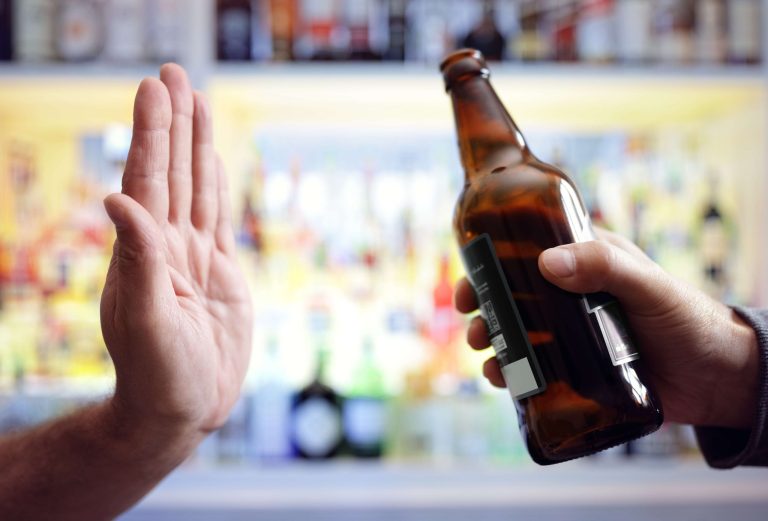
On the other hand, cocaine, while not typically causing severe physical dependence, is highly addictive due to its intense psychological effects. Addiction can impact every aspect of your life, starting with your mental health.10 Substances change your brain, and might contribute to co-occurring disorders like anxiety and depression. These symptoms, along with other aspects of addiction, can interfere with your relationships. If you prioritize drug use over your colleagues or loved ones, you might face serious consequences.
Many have tried to stop on their own, only to feel overwhelmed by symptoms and return to use just to function. Because fentanyl is so potent, the gap between “feeling something” and “breathing slowing dangerously” can be small. Tolerance can rise quickly, and many people find that what worked a week ago stops working now. That creates a higher-risk cycle of chasing relief while the margin of safety narrows.
