 Instinct Fabrication | 本色营造
Instinct Fabrication | 本色营造
Instinct Fabrication | 本色营造

A journal or the Book of Original Entry, where companies record financial transactions. That said, journalizing is the process of correctly recording transactions in the right accounting journals. Accuracy in financial records plays a vital role in effective management.
Recall that the general ledger is a record of each account and its balance. Reviewing journal entries individually can be tedious and time consuming. The general ledger is helpful in that a company can easily extract account https://peterhearlphotography.co.uk/2022/05/24/ind-as-109-hedge-accounting-fair-value-vs-cash-2/ and balance information.
Since The Burger Shop purchased a new vehicle in cash, its vehicle and cash accounts were affected. Consider setting a monthly schedule for reconciliation to maintain consistency. During these sessions, review recording transactions in a journal. all entries thoroughly and confirm their accuracy against external records. Doing this not only helps you catch mistakes but also ensures you’re aware of any unauthorized transactions. Maintaining a journal for financial transactions is crucial for several reasons.
Remember, accuracy in trial balance preparation is crucial for maintaining control over your financial records. By following these steps diligently, you can guarantee accurate financial statements that will guide informed decision-making for your business. These best practices will ensure that your journal entries accurately reflect the financial impact of each transaction. By following this approach, you can confidently navigate through various common transactions and maintain control over your financial statements. Remember to double-check your work and review any relevant documentation before finalizing your journal entries.


These strategies ensure your financial records remain precise and informative. Delaying entries can lead to forgotten details or errors in financial tracking. Set aside regular time slots—daily or weekly—to update your journal consistently.

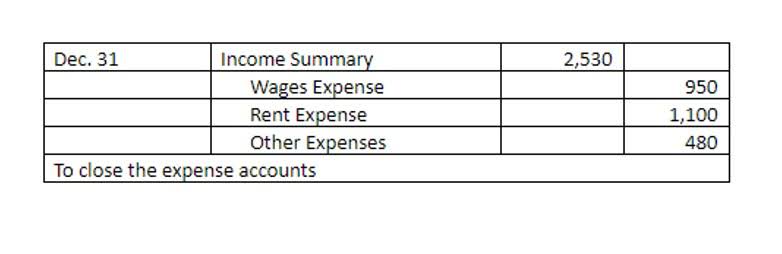
A few common types of accounts are liability, expense, asset, and revenue. Now that all the end of the year adjustments are made and the adjusted trial balance matches the subsidiary accounts, financial statements can be prepared. After financial statements are published and released to the public, the company can close its books for the period. Closing entries are made and posted to the post closing trial balance.

The new entry is income statement recorded under the Jan 10 record, posted to the Service Revenue T-account on the credit side. We know from the accounting equation that assets increase on the left/debit side and decrease on the right/credit side. If there was a left/debit of $5,000 and a right/credit of $3,000 in the Cash account, we would find the difference between the two, which is $2,000 (5,000 – 3,000). The left/debit is the larger of the two sides ($5,000 on the left/debit side as opposed to $3,000 on the right/credit side), so the Cash account has a left/debit balance of $2,000. Grocery stores of all sizes must purchase product and track inventory.
